
Top Site Preparation Products To Make Your Project Easier and Faster
Browse through a curated selection of essential items that streamline site prep and improve overall project quality.
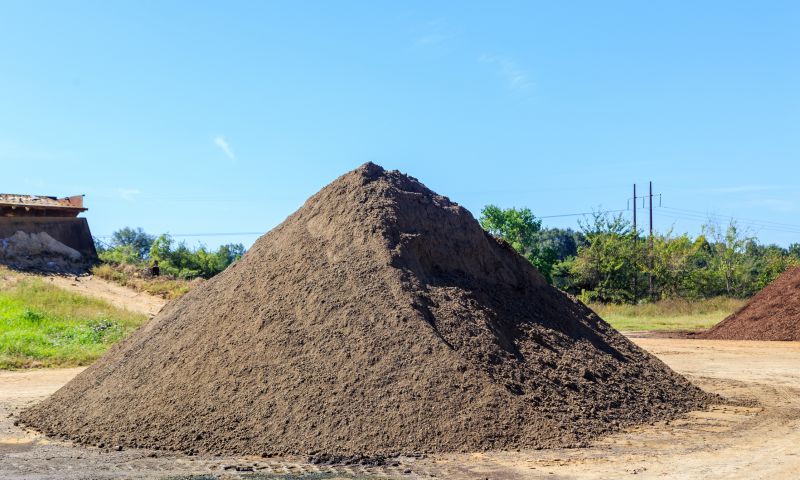 Preparing a site for construction, landscaping, or other projects requires a careful selection of products designed to establish a stable, level, and durable foundation. These products help ensure the safety, longevity, and quality of the finished project. From clearing the land to creating a solid base, each step involves specific materials that serve different functions. Proper site preparation can minimize future issues such as erosion, shifting, or structural instability. Understanding the variety of products available allows for informed decisions tailored to the specific needs of each project.
Top Overall Option
All-in-One Site Preparation Kit
An all-in-one site preparation kit offers a comprehensive set of essential materials and tools, including gravel, soil stabilizers, compaction equipment, and erosion control accessories. This versatile package simplifies the process by providing everything needed for initial site clearing, leveling, and stabilization, making it suitable for various projects. It is designed to facilitate efficient work flow and ensure a solid foundation for subsequent construction or landscaping efforts.
Types of Products For Site Preparations
Gravel and Crushed Stone
Used for creating a stable base layer, drainage, and leveling surfaces, gravel and crushed stone are foundational materials for many site preparation projects.
Soil Stabilizers
Chemical or organic compounds that improve soil strength and reduce erosion, aiding in long-term site stability.
Compaction Equipment
Tools such as plate compactors and rollers help compress soil and gravel to increase density and stability.
Erosion Control Blankets
Protective coverings used to prevent soil erosion during and after site preparation, especially on slopes.
Silt Fences
Barriers designed to contain sediment and prevent runoff during construction activities.
Geotextile Fabrics
Permeable fabrics used to reinforce soil, improve drainage, and separate different layers of materials.
Concrete Pads and Slabs
Precast or poured concrete elements used for foundations, walkways, or support surfaces.
Paving Materials
Asphalt or concrete pavers that provide durable surfaces for driveways, pathways, or parking areas.
Landscape Fabric
Materials placed beneath soil or mulch to prevent weed growth and improve soil stability.
Drainage Pipes and Systems
Components designed to facilitate water movement and prevent pooling or erosion.
Leveling Tools
Tools such as laser levels or manual leveling instruments used to ensure even surfaces.
Soil Amendments
Materials like compost or organic matter added to improve soil fertility and structure.
Erosion Control Mats
Matting materials that stabilize soil on slopes and disturbed areas to prevent erosion.
Retaining Wall Blocks
Interlocking blocks used to build retaining walls that hold back soil and create level areas.
Underlayment Materials
Layered materials placed beneath paving or slabs to provide stability and drainage.
Popular Choices
Widely used for foundational layers, providing drainage and stability for various projects.
Commonly selected for soil reinforcement and separation in site prep work.
Popular for slope stabilization and preventing soil loss during construction.
Frequently used to control sediment runoff in construction zones.
Essential for achieving proper soil density, often in the form of portable compactors.
Commonly used for foundations, walkways, and support structures.
Key for managing water flow and preventing pooling on prepared sites.
Popular for ensuring flat and even surfaces during site grading.
Often chosen for weed control and soil stabilization beneath mulch or gravel.
Frequently used for creating durable walkways and driveways.
Commonly added to improve soil quality before planting or construction.
Popular for building supporting structures on sloped sites.
The process typically begins with clearing debris, vegetation, and uneven surfaces, followed by grading and leveling. This is often achieved using equipment and materials like gravel, soil stabilizers, and compaction tools. For projects requiring a more permanent foundation, options such as concrete pads, paving materials, or compacted aggregate layers are common. Additionally, erosion control products like silt fences and erosion control blankets might be necessary to protect the site during and after preparation. Selecting the right combination of these products ensures a solid base that can support subsequent construction or landscaping work.
Quality site preparation products are designed to withstand environmental conditions and provide long-term stability. They are available in a range of sizes, strengths, and formulations to suit different types of projects, whether residential, commercial, or industrial. Proper application and compatibility of these products are crucial for achieving optimal results. Consulting with professionals or following manufacturer guidelines can further enhance the effectiveness of chosen materials, leading to safer and more durable site conditions.
Key Buying Considerations
- Determine the specific needs of your project to select appropriate materials.
- Consider the load-bearing requirements and choose products accordingly.
- Assess the soil type and condition to determine suitable stabilization methods.
- Check compatibility between different products to ensure proper layering.
- Evaluate environmental factors such as drainage and erosion control needs.
- Estimate the total area to be covered to purchase sufficient quantities.
- Review product specifications for strength, durability, and ease of installation.
- Factor in local regulations or codes that may influence product selection.
- Consider long-term maintenance requirements of the chosen materials.
- Ensure safety features and proper handling instructions are followed during installation.
- Compare different options to find a balance between cost and quality.
- Look for products that are designed for the specific climate conditions of your site.
- Select versatile products that can serve multiple purposes if possible.
- Verify the availability of replacement parts or additional materials if needed.
- Consult with professionals or experienced contractors for guidance on best practices.
This page contains affiliate links. We may earn a commission if you make a purchase through these links, at no additional cost to you.